

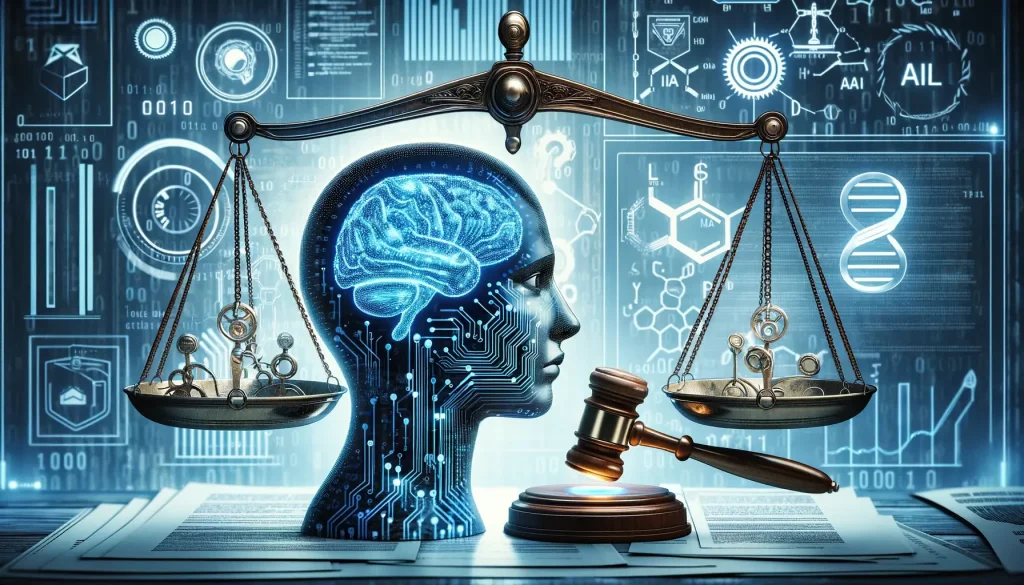
Who Owns AI-Generated Works? A Comparative Analysis of Intellectual Property Law in Uzbekistan and the United States
With the rapid evolution of generative artificial intelligence, the boundaries of creativity and authorship are becoming increasingly blurred. In both Uzbekistan and the United States, legal systems are grappling with fundamental questions: If an AI system creates an artwork, a piece of music, or a written text—who owns the rights to it? Can such works be copyrighted? And if so, by whom?
This article explores how Uzbekistan and the United States address the ownership and authorship of AI-generated content. By comparing two distinct legal frameworks, we uncover similarities, key differences, and the growing need for legislative reform.
What Is an AI-Generated Work?
AI-generated works are outputs—texts, images, designs, etc.—produced by machines without direct human authorship. Tools like ChatGPT, Midjourney, and DALL·E can produce content with minimal human intervention. The legal question is whether these works meet the standard of “originality” and whether a non-human entity can qualify as an “author.”
The U.S. Approach: Human Authorship Only
In the United States, the copyright system is governed by the Copyright Act of 1976 and interpreted through decades of court precedent. The U.S. Copyright Office has been consistent: only works created by human beings are eligible for copyright protection.
Key Points:
- In 2022, the U.S. Copyright Office denied registration for a graphic novel whose images were generated by AI (Midjourney).
- The U.S. Supreme Court has emphasized that originality must involve “human creative expression.”
- AI-generated content is considered public domain unless substantial human input is involved.
Source: U.S. Copyright Office, Compendium of U.S. Copyright Practices, Third Edition.
Uzbekistan’s Approach: Still Emerging
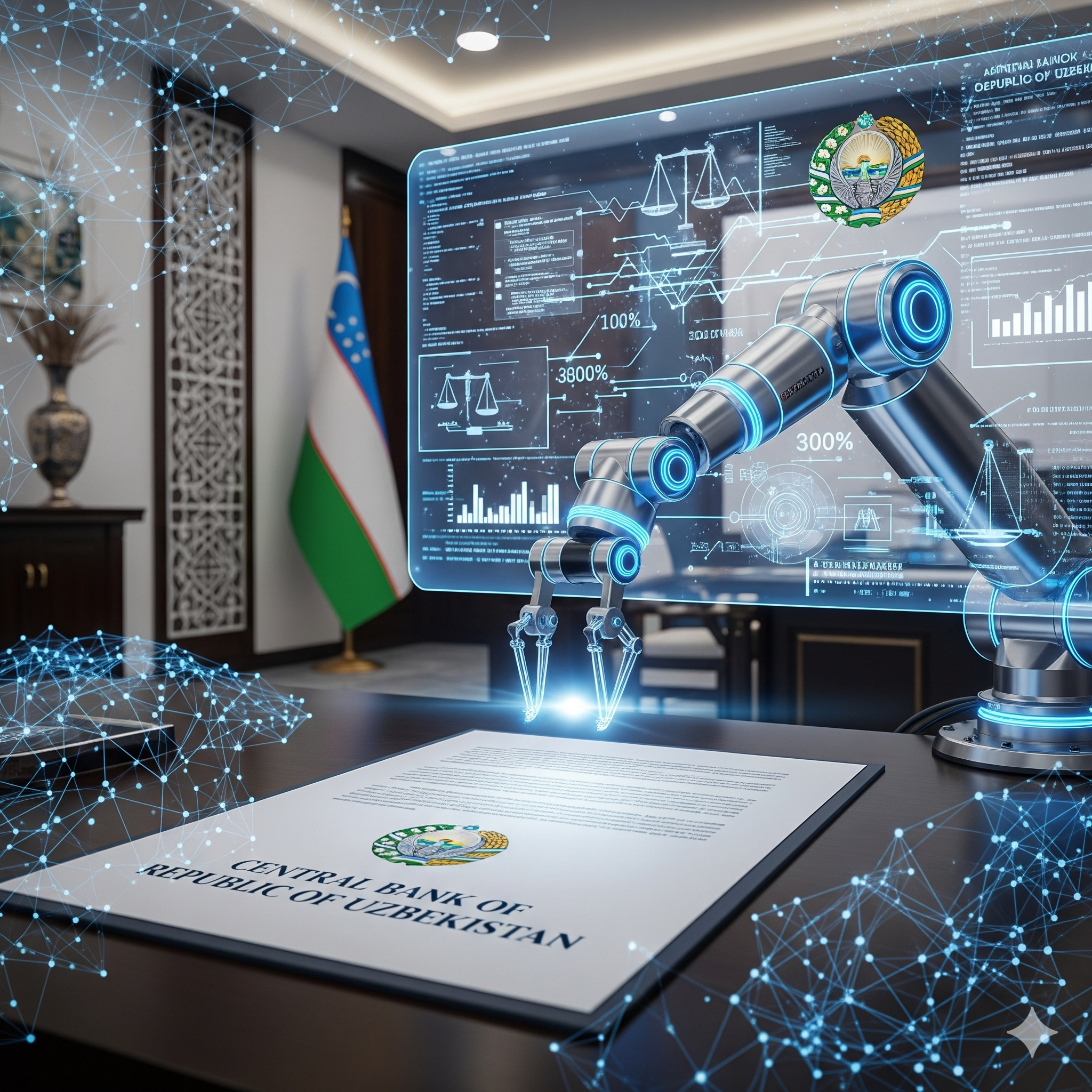
Uzbekistan’s copyright system is governed by the Law on Copyright and Related Rights (2006). While it contains broad definitions of “author” and “creative work,” it does not yet explicitly address AI-generated content.
Key Points:
- Uzbek law defines the author as a natural person, implying human-only authorship.
- No specific regulations exist on AI or machine-generated content.
- However, as part of its digital transformation agenda, the Uzbek government has shown interest in developing AI-related legal reforms.
Source: Law of the Republic of Uzbekistan on Copyright and Related Rights (2006).
Comparative Analysis
| Criteria | United States | Uzbekistan |
|---|---|---|
| Author must be human? | Yes | Yes (implicitly) |
| Explicit AI provisions? | No, but clarified via court rulings | No |
| Registration possible? | No, unless human input is substantial | No clear pathway |
| AI recognized as author? | No | No |
Both systems currently rely on traditional definitions of authorship. The U.S. has developed clearer guidance through administrative rulings, while Uzbekistan remains in an exploratory phase. This gap presents challenges but also opportunities for reform.
Why Does This Matter?
- Legal Certainty: Without clear laws, creators and businesses using AI face uncertainty about rights and ownership.
- Innovation: A lack of protection may discourage investment in AI-generated works.
- Cross-border Issues: With content shared globally, inconsistencies between jurisdictions complicate enforcement and licensing.
Conclusion
As artificial intelligence becomes more deeply embedded in the creative process, legal systems must evolve. Both Uzbekistan and the United States currently restrict authorship to human creators, excluding pure AI-generated content from protection. However, global momentum is building toward reconsidering these frameworks.
For countries like Uzbekistan, this is a pivotal moment. Drawing lessons from the U.S. and other jurisdictions, Uzbek lawmakers have the opportunity to craft forward-looking policies that balance innovation with legal clarity.
The question is no longer whether AI can create—it’s whether our laws can keep up.
Shokhjakhon Abudusattorov – Founder of ZukkoYurist.Uz, LL.M. (Penn State Law, USA)




 UZ
UZ  EN
EN